



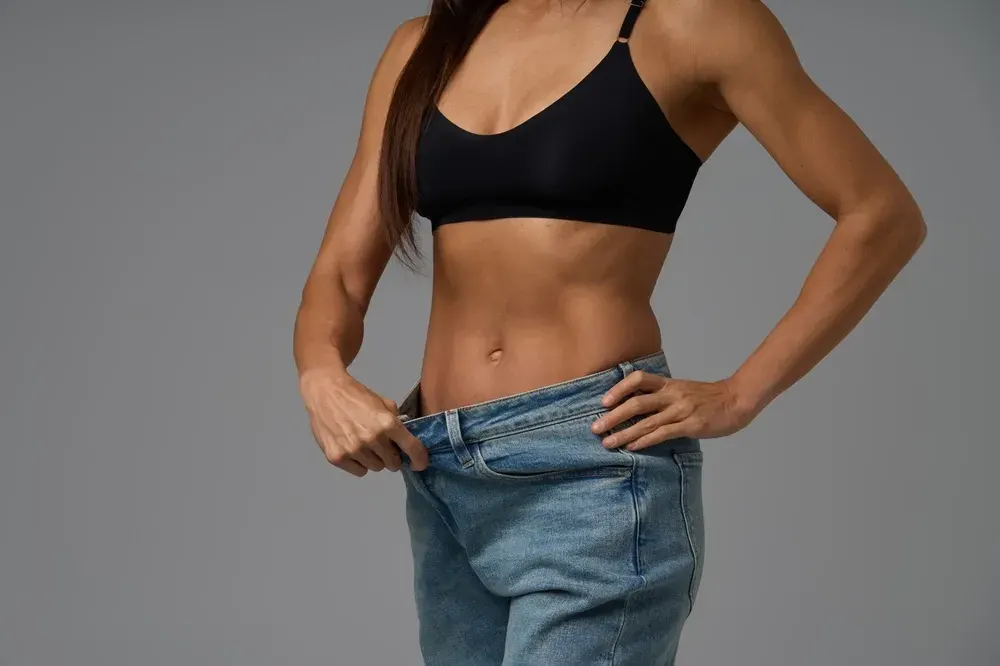
Person addressing stubborn body fat and muscle tone concerns at Ivy Collaborative Healthcare Augusta

Stubborn Body Fat & Muscle Tone Treatment in Augusta, GA

Reshape Your Body With Confidence

Common In:Adults 25+
Primary Causes:Aging, Hormones, Genetics
Treatment Time:30 minutes
Results:2-4 weeks to 3 months
Close-up illustration of stubborn body fat areas at Ivy Collaborative Healthcare Augusta

What Is Stubborn Body Fat?

Recognizing the Signs

Stubborn body fat refers to localized adipose tissue deposits that resist reduction through conventional diet and exercise. These pockets of fat, most commonly found in the abdomen, flanks, thighs, and upper arms, are characterized by a high density of alpha-2 adrenergic receptors that inhibit the natural fat-burning process known as lipolysis.

When you notice that certain areas of your body refuse to change despite consistent workouts and healthy eating, you are experiencing the frustrating reality of exercise-resistant fat. These areas may feel soft and pinchable, and they often become more pronounced as muscle tone gradually diminishes with age.

Many patients describe feeling disconnected from their body's appearance, noting that their physique no longer reflects the effort they invest in staying active and eating well. The combination of persistent fat deposits and declining muscle definition can significantly affect self-confidence and how you feel in your own clothes.

Illustration of biological mechanisms behind stubborn body fat at Ivy Collaborative Healthcare Augusta

Why Stubborn Body Fat Persists

Understanding the Root Causes

The body stores fat in two primary types of tissue: visceral fat surrounding internal organs and subcutaneous fat beneath the skin. While visceral fat responds relatively well to caloric deficit and cardiovascular exercise, subcutaneous fat in certain areas contains a disproportionately high ratio of alpha-2 to beta-2 adrenergic receptors. Alpha-2 receptors actively suppress lipolysis, making these fat cells up to 10 times more resistant to catecholamine-driven fat breakdown.

Compounding this challenge, adults begin losing approximately 1% of muscle mass per year after age 30, a process known as sarcopenia. As lean muscle tissue declines, basal metabolic rate drops correspondingly, meaning the body burns fewer calories at rest. This metabolic slowdown creates a cascade where the body becomes progressively more efficient at storing fat while simultaneously losing the muscle definition that creates a toned appearance.

Hormonal shifts further amplify the problem. Declining levels of testosterone, growth hormone, and estrogen reduce the body's capacity for both fat metabolism and muscle protein synthesis. These biological changes mean that the same diet and exercise routine that maintained your physique in your twenties becomes increasingly insufficient as you age.


Diagram showing body composition and fat-muscle relationship at Ivy Collaborative Healthcare Augusta

The Fat-Muscle Connection

How Body Composition Affects Overall Health

Body composition describes the ratio of fat mass to lean mass in your body, and it is a far more meaningful indicator of health and appearance than weight alone. Two individuals at the same body weight can look dramatically different depending on their fat-to-muscle ratio. Skeletal muscle is metabolically active tissue that burns calories continuously, supports joint stability, and maintains the structural contours that define a toned physique.

When muscle mass declines and fat accumulates, a condition researchers call sarcopenic obesity can develop. Intramuscular fat infiltration triggers chronic low-grade inflammation and insulin resistance, which further impairs the body's ability to metabolize stored fat. This creates a self-reinforcing cycle where muscle loss accelerates fat gain, and excess fat tissue produces inflammatory compounds that accelerate further muscle deterioration.

Regional fat distribution also plays a critical role. Abdominal fat, particularly in the lower abdomen and flanks, is among the most metabolically stubborn due to its receptor profile and blood flow patterns. Poor blood circulation to these subcutaneous fat deposits means fewer fat-mobilizing hormones reach the cells, further reducing the likelihood that diet and exercise alone will produce visible changes in these areas.

Lifestyle factors affecting body composition at Ivy Collaborative Healthcare Augusta

What Accelerates Stubborn Body Fat & Muscle Loss?

Identifying Your Triggers

01

Age-Related Changes

After age 30, adults lose approximately 3-8% of muscle mass per decade while fat storage efficiency increases, gradually shifting body composition toward higher fat-to-muscle ratios.

02

Hormonal Shifts

Declining testosterone, estrogen, and growth hormone levels reduce the body's ability to build and maintain muscle while simultaneously promoting fat storage, especially around the midsection.

03

Sedentary Lifestyle

Prolonged sitting and insufficient resistance training accelerate muscle atrophy and reduce metabolic rate, making it easier for the body to store excess calories as fat in stubborn areas.

04

Genetic Predisposition

Your genetic blueprint determines where your body preferentially stores fat and the density of alpha-2 adrenergic receptors in specific regions, making certain areas inherently more resistant to change.

05

Chronic Stress

Elevated cortisol levels promote visceral and abdominal fat storage while simultaneously breaking down muscle protein, creating a dual negative effect on body composition.

06

Poor Sleep Quality

Insufficient or disrupted sleep impairs growth hormone secretion and increases appetite-regulating hormones like ghrelin, promoting both fat accumulation and muscle recovery deficits.

Ivy Collaborative Healthcare clinic interior in Augusta Georgia

Why Choose Ivy Collaborative Healthcare

Expert Care in Augusta

  • Medical Director Oversight
  • FDA-Cleared Technology
  • Personalized Treatment Plans
  • Holistic Wellness Approach

Treatment Options Comparison

Finding Your Best Approach

Treatment Best For Session Time Results Timeline Maintenance
Emsculpt NEO Body Contouring Simultaneous fat reduction & muscle building 30 minutes 2-4 weeks, peak at 3 months Every 3-6 months
Person concerned about stubborn body fat at Ivy Collaborative Healthcare Augusta

You May Be Experiencing Stubborn Body Fat If...

Recognizing When to Seek Help

  • Diet-Resistant Areas
  • Lost Muscle Definition
  • Clothing Frustration
  • Plateau Despite Effort
  • Post-Pregnancy Changes
  • Age-Related Softening

Frequently Asked Questions

About Stubborn Body Fat & Muscle Tone

01 How do I get rid of stubborn body fat that won't respond to diet and exercise?

Stubborn fat deposits contain a high density of alpha-2 adrenergic receptors that actively resist the fat-burning process. While diet and exercise are essential for overall health, non-invasive body contouring treatments like Emsculpt NEO can target these resistant areas by simultaneously reducing fat and building muscle through HIFEM and radiofrequency technologies.

02 What is the best non-invasive body contouring treatment available?

The best treatment depends on your specific goals. Emsculpt NEO is the only FDA-cleared device that simultaneously reduces fat by up to 30% and increases muscle mass by up to 25% in treated areas. During your consultation at Ivy Collaborative Healthcare, we assess your body composition to recommend the most effective approach.

03 How does Emsculpt NEO reduce fat and build muscle at the same time?

Emsculpt NEO combines high-intensity focused electromagnetic energy (HIFEM) with synchronized radiofrequency heating. The radiofrequency raises fat cell temperature to cause permanent apoptosis, while HIFEM induces approximately 20,000 supramaximal muscle contractions per session, stimulating muscle growth beyond what voluntary exercise can achieve.

04 Can you really build muscle without exercise using body contouring?

Emsculpt NEO induces supramaximal contractions that are more intense than what the body can achieve through voluntary exercise. Clinical studies have demonstrated an average 25% increase in muscle mass in treated areas. However, we recommend maintaining regular physical activity alongside treatments for optimal overall health and lasting results.

05 How many body contouring sessions are needed to see results?

Most patients undergo a series of four 30-minute Emsculpt NEO sessions scheduled over two to four weeks. Many patients notice improvement as early as two to four weeks after their first session, with optimal results typically visible at the three-month mark as the body continues to metabolize disrupted fat cells and build new muscle fibers.

06 Is it normal for body composition to change as I age?

Yes, age-related changes in body composition are a natural part of aging. Adults typically lose 1-2% of muscle mass per year after age 30, while hormonal shifts promote increased fat storage. Understanding these biological changes helps in choosing appropriate interventions to maintain the body composition you desire.

07 What areas of the body can be treated for stubborn fat and muscle tone?

Emsculpt NEO is FDA-cleared to treat the abdomen, buttocks, thighs, arms, and calves. The most commonly treated areas for stubborn fat include the abdomen and love handles, while patients also frequently target the buttocks and arms for improved muscle tone and definition.

08 When should I see a professional about stubborn body fat?

If you have maintained a consistent diet and exercise routine for several months without seeing improvement in specific areas, it may be time for a professional assessment. A consultation at Ivy Collaborative Healthcare allows us to evaluate your body composition and determine whether non-invasive treatments could help you achieve your goals.

Location2100 Central Avenue, Suite 6
Augusta, GA, 30904

Schedule Your Consultation

Scientific References