

Why Mental Health Awareness Matters in Augusta, GA
Dr. Jocelyn Bayliss of Ivy Collaborative Healthcare explains why Mental Health Awareness Month matters, how to recognize common mental health conditions, and how to seek help without stigma.
Every May, the United States observes National Mental Health Awareness Month — a time dedicated to reducing stigma, increasing education, and encouraging people living with mental illness to seek the care they deserve. But for Dr. Jocelyn Kelly Bayliss, double board-certified psychiatrist and founder of Ivy Collaborative Healthcare in Augusta, GA, the importance of mental health awareness is not limited to a single month on the calendar. It is a year-round mission.
In a recent feature on WJBF NewsChannel 6, Dr. Bayliss spoke candidly about why she became a psychiatrist, what it means to truly break the stigma surrounding mental illness, and how residents of the Augusta community can take practical steps toward better mental health. This article expands on those themes and offers guidance for anyone who may be wondering whether it is time to ask for help.
What Is Mental Health Awareness Month?
National Mental Health Awareness Month was established in 1949 by Mental Health America. For over seven decades, the month of May has served as an opportunity for healthcare providers, advocacy organizations, schools, and communities across the country to raise awareness about the prevalence of mental illness and the importance of early intervention.
The themes and campaigns change from year to year, but the core message remains constant: mental health is not a personal failing. It is a medical issue — one that deserves the same attention, compassion, and access to evidence-based care as any physical health condition.
Mental Health by the Numbers: How Common Is Mental Illness?
One of the most important reasons to talk openly about the importance of mental health awareness is the sheer scale of the problem. Mental illness is far more common than many people realize — and the gap between those who need help and those who actually receive it remains wide.
- The National Institute of Mental Health (NIMH) estimates that more than one in five adults in the United States — approximately 57 million people — are living with a mental illness.
- According to the National Alliance on Mental Illness (NAMI), one in six children ages 6 to 17 experience a mental health disorder every year.
- Despite these numbers, fewer than half of all adults with a diagnosable mental health condition receive treatment.
- The average delay between the onset of mental health symptoms and receiving professional treatment is 11 years.
These numbers are not abstract statistics. They represent neighbors, colleagues, parents, and children throughout Augusta, Evans, Martinez, and the surrounding communities who are managing their symptoms — often in silence — without professional support.
The Most Common Conditions You Should Know About
Understanding what mental illness actually looks like is foundational to reducing stigma. Many people assume that mental health conditions are rare or extreme — but in reality, the most common disorders are highly treatable and often present in ways that are easy to overlook or rationalize away.
Depression
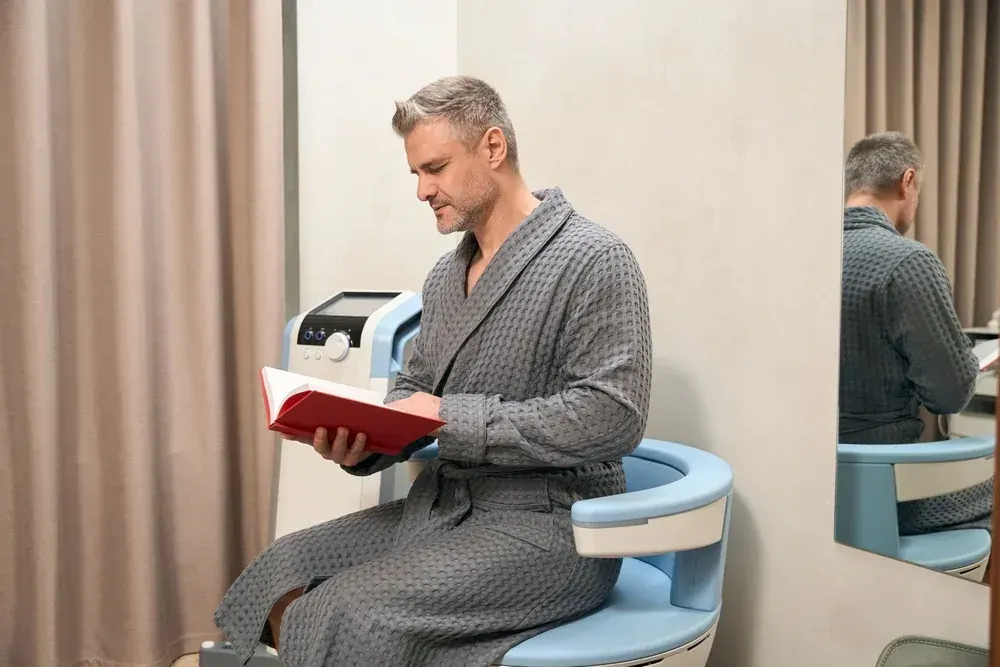
Depression affects more than 8% of American adults and approximately 15% of youth. It is a medical condition characterized by persistent low mood, loss of interest in activities, changes in sleep and appetite, difficulty concentrating, and in some cases, thoughts of self-harm. It is never a personal weakness, a lack of faith, or a character flaw. At Ivy Collaborative Healthcare, Dr. Bayliss provides comprehensive evaluation and treatment for depression and anxiety, including both psychiatric medication management and FDA-cleared Exomind TMS Therapy for patients who have not found adequate relief with medication alone.
Anxiety Disorders
Anxiety disorders affect over 20% of adults and more than 30% of adolescents. They cause people to feel frightened, distressed, or uneasy in ways that are disproportionate to the actual situation — and that significantly interfere with daily life. Generalized anxiety disorder, panic disorder, social anxiety disorder, and specific phobias all fall within this category.
Bipolar Disorder
Bipolar disorder affects approximately 2.5% of adults at some point in their lives. It involves extreme and unusual shifts in mood, thinking, energy, and behavior — alternating between periods of elevated mood (mania or hypomania) and episodes of depression. Bipolar disorder is often misdiagnosed or undiagnosed for years because many people seek help only during depressive episodes.
Addiction and Substance Use Disorder
Substance use disorders affect an estimated 46.5 million adults in the United States. Addiction is a chronic medical condition — not a moral failure — and it frequently co-occurs with conditions such as depression, anxiety, or PTSD. Treating it effectively often requires addressing the underlying mental health conditions as well.
Why Stigma Is Still the Biggest Barrier to Getting Help
Despite decades of public awareness efforts, stigma remains one of the most significant obstacles preventing people from seeking mental health treatment. Dr. Bayliss addressed this directly in her WJBF interview:
"Asking for help is never a weakness. People think that if you ask for help, if you tell someone that you're depressed, that it might be a character flaw, or people might say, 'Well, your faith isn't strong enough.' And that is not it at all. And so that's part of the reason I became a psychiatrist — to break the stigma of mental illness, because mental health is physical health, as well."
— Dr. Jocelyn Kelly Bayliss, MD, Ivy Collaborative Healthcare
Breaking stigma starts with honest conversations — treating mental health conditions with the same seriousness we give to high blood pressure, diabetes, or a broken bone. Kevin Tanner, Commissioner of Georgia's Department of Behavioral Health, has emphasized that people are often skilled at concealing their struggles, making it all the more important to be a consistent, trusted presence in the lives of those you care about.
Mental Health in Children and Teens: What Parents Need to Know
Mental health conditions do not discriminate by age. One in six children between the ages of 6 and 17 experiences a mental health disorder every year — and for many of them, symptoms go unrecognized and untreated for years.
Experts recommend that parents take a proactive approach to their children's emotional wellbeing. This includes having regular, open conversations about feelings, normalizing the topic before a crisis occurs, and staying alert to warning signs such as mood changes, withdrawal from friends, declining school performance, disrupted sleep, or expressions of hopelessness. Research also consistently links excessive social media use with increased rates of anxiety and depression in adolescents — making it important to talk openly about what children experience online.
If you are concerned about a child or teenager, the most important thing you can do is check in and listen without judgment. For persistent or functionally impairing symptoms, a professional evaluation by a child and adolescent psychiatrist is the appropriate next step.
What to Do If You or Someone You Love Is Struggling
Recognizing that something is wrong is the first step. Acting on that recognition is the next one. Here is a practical framework for moving forward:
- If you are experiencing symptoms for the first time: Schedule a comprehensive psychiatric evaluation. A qualified psychiatrist can assess your symptoms, confirm a diagnosis, and recommend a personalized treatment plan.
- If you have tried treatment without adequate improvement: Ask about alternative options. Patients who have not responded to antidepressants may be candidates for Exomind TMS Therapy — a non-invasive, FDA-cleared brain stimulation treatment. Learn more in our blog article: TMS Therapy vs. Antidepressants: Which Is Right for You?
- If you are not sure where to start: Our guide, Psychiatrist or TMS Therapy: Which Mental Health Treatment Is Right for You?, can help you evaluate your options.
- If you are supporting someone else: Be consistent and present. Offer to help them find a provider, and make it clear that seeking help is something you will support them through.
Getting Help for Mental Health in Augusta, GA
Ivy Collaborative Healthcare is located at 2100 Central Avenue, Suite 6, Augusta, GA 30904. Founded by Dr. Jocelyn Kelly Bayliss — double board-certified in both General Psychiatry and Child & Adolescent Psychiatry — the practice offers psychiatric evaluations, medication management, and FDA-cleared Exomind TMS Therapy for patients with treatment-resistant depression.
Dr. Bayliss and her team serve patients throughout Augusta, Evans, Martinez, North Augusta, Grovetown, Aiken, and surrounding communities. Whether you are seeking care for the first time or exploring new options after prior treatments fell short, we are here to help.
Call (706) 364-3461 or visit our contact page to schedule your consultation.
Crisis Resources
If you or someone you know is in crisis, the following free, confidential resources are available 24 hours a day, 7 days a week:
- 988 Suicide & Crisis Lifeline: Call or text 988 — available 24/7/365.
- NAMI Helpline: Call 1-800-950-6264 or text "NAMI" to 741741.
- Depression and Bipolar Support Alliance (DBSA) Helpline: Call 1-800-662-HELP (4357).
- Crisis Text Line: Text HOME to 741741.